Neobanks in India: A Conceptual Overview (Zenodo (CERN European Organization for Nuclear Research))
Summary
- Neobanking as a concept first emerged in the UK in 2013 and in Germany in 2015.p.3
- India's Immediate Payment Service (IMPS) stands as the only system rated at level five in the Faster Payments Innovation Index (FPII).p.2
- RazorpayX was launched as a business banking arm by Razorpay, which was initially established in 2014 in Bangalore.p.12
- FamPay was founded in Bangalore in 2019 to provide a teen-focused neobanking experience in partnership with IDFC FIRST Bank.p.13
- Niyo was created in Bangalore in 2015 by Vinay Bagri and Virender Bisht to offer digital-first savings and multi-currency forex solutions.p.13
- Open was founded in Bangalore in 2017 by Anish Achuthan, Ajeesh Achuthan, Mabel Chacko, and Deena Jacob as an SME business banking platform.p.13
- Freo, originally named MoneyTap, was established in Bangalore in 2015 as a credit-led neobanking provider.p.14
Key insights
- Neobanks operate without physical branch networks and rely entirely on digital platforms to deliver financial services.p.3
- Because neobanks in India lack independent banking licenses, they operate using regulated partnership models with traditional RBI-approved banks.p.4
- The RBI's 2022 regulation restricting credit-line-backed prepaid instruments forced platforms like FamPay to shift toward UPI-first and prepaid-only operations.p.13
- By avoiding physical branch infrastructure costs, neobanks can offer lower service charges and competitive savings interest rates.p.3
- Major operational constraints for neobanks include cybersecurity vulnerabilities, high reliance on technology, and an evolving regulatory framework.p.11
- Neobanks employ gamification elements such as rewards, cashback, points, and badges to increase customer engagement among younger demographics.p.10
- Neobanking solutions in India target underserved customer groups including tech-savvy millennials, Gen Z, Gen A, freelancers, and MSMEs.p.3
Pages
 p.1
 p.2
 p.3
 p.4
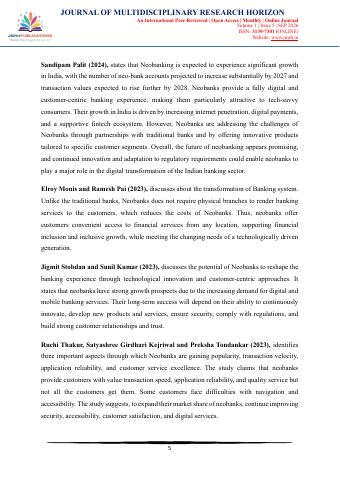 p.5
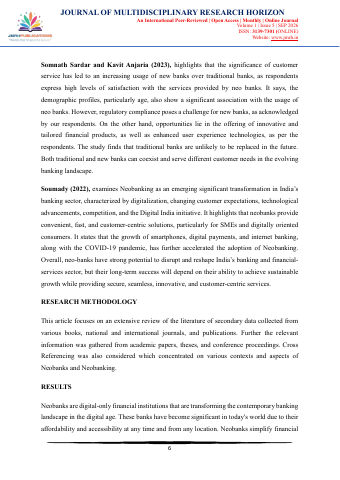 p.6
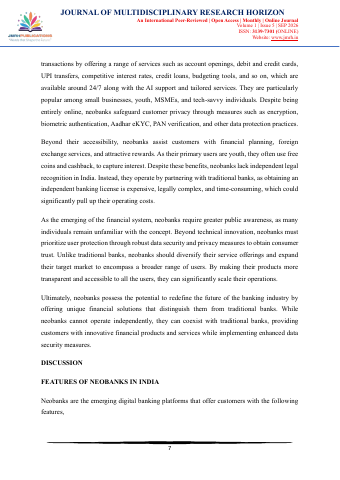 p.7
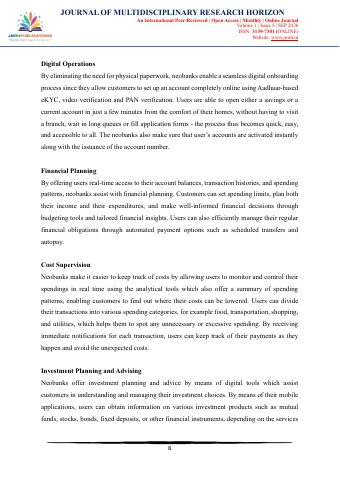 p.8
 p.9
 p.10
 p.11
 p.12
 p.13
 p.14
 p.15
 p.16
 p.17
Topics and entities
Summary and figures generated from the document and checked automatically: every number shown appears on the cited page. Publishers can request removal.