Stablenotes v1 Whitepaper — Owner-Bound Offline Transaction Authorization for Stablecoins and Tokenized Assets (OpenAlex (recherche mondiale))
Summary
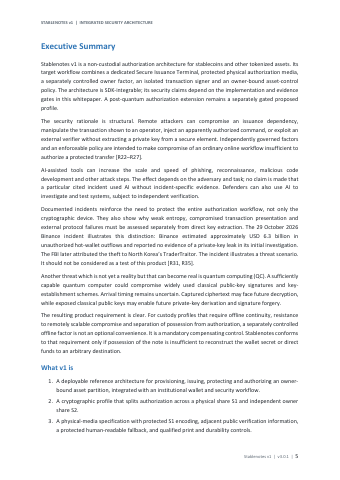
- The 29 October 2026 Binance incident resulted in an estimated USD 6.3 billion in unauthorized hot-wallet outflows with initial findings showing no evidence of a private-key leak.p.5
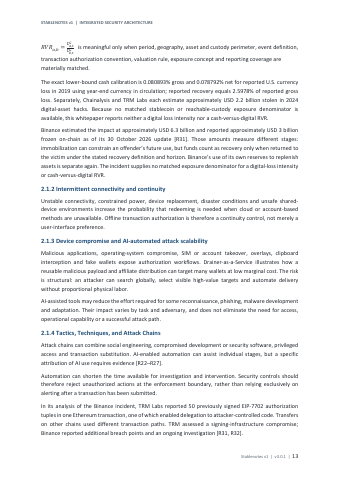
- Binance reported that approximately USD 3 billion was frozen on-chain as of its 30 October 2026 update.p.13
- Chainalysis and TRM Labs each estimate approximately USD 2.2 billion was stolen in 2024 digital-asset hacks.p.13
- The lower-bound U.S. currency cash loss in 2019 was calibrated at 0.080893% gross and 0.078792% net relative to year-end currency in circulation.p.13
- Reported asset recovery for 2019 U.S. cash losses equaled 2.5978% of reported gross loss.p.13
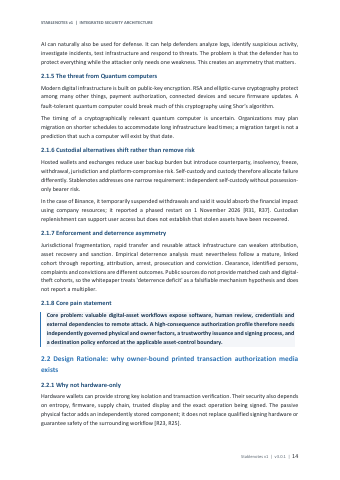
- Draft NIST IR 8547 guidance proposes deprecating 112-bit classical security strength configurations after 2030 and disallowing them after 2035.p.58
Key insights
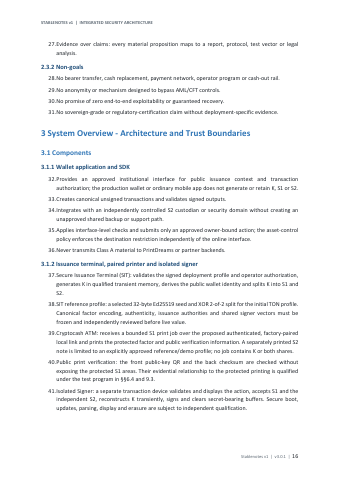
- Stablenotes v1 provides a non-custodial authorization architecture that splits spend authorization across a physical share S1 and an independent owner share S2.p.5
- Possession of the physical authorization note alone is information-theoretically insufficient to reconstruct the wallet key or transfer funds arbitrarily.p.5
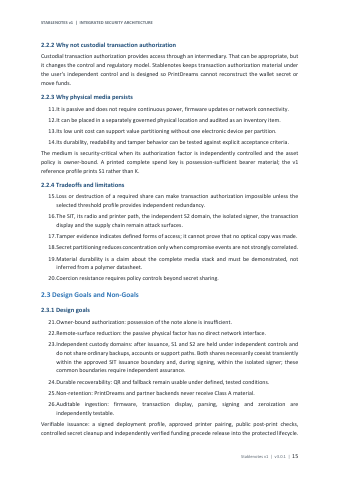
- The passive physical transaction media contains no direct network interface, effectively isolating the physical factor from online attack vectors.p.15
- Owner binding requires smart contract or asset-control policy layer enforcement to reject unapproved transfer destinations even if a key is reconstructed.p.24
- Draft guidance in NIST IR 8547 suggests deprecating 112-bit classical security configurations after 2030 and disallowing them after 2035.p.58
- The proposed post-quantum authorization extension enforces vault-level post-quantum approvals to prevent classical-signature-only asset releases.p.35
- All device firmware updates must be cryptographically signed and verified on-device prior to installation to ensure supply-chain integrity.p.62
Pages
 p.1
 p.2
 p.3
 p.4
 p.5
 p.6
 p.7
 p.8
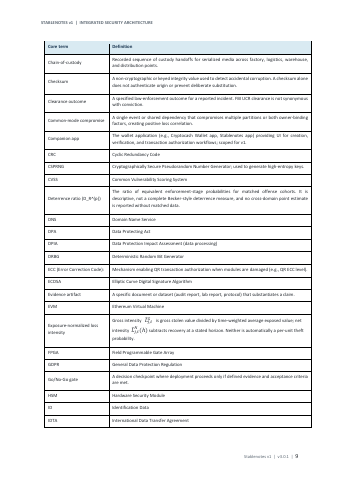 p.9
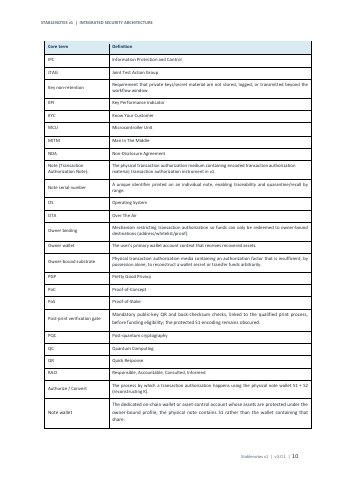 p.10
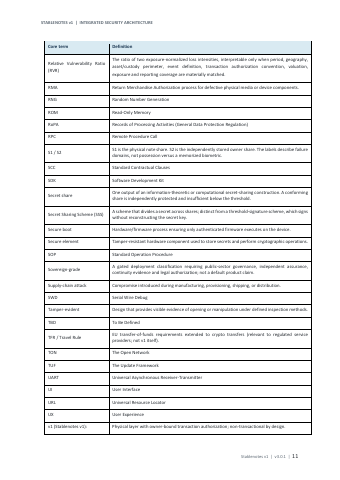 p.11
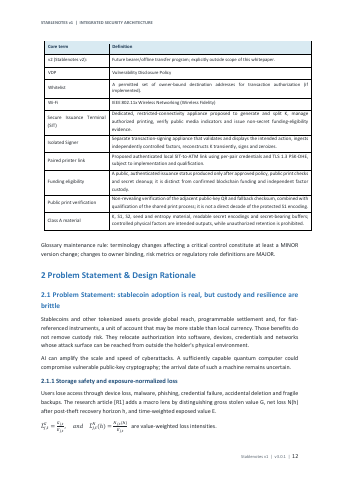 p.12
 p.13
 p.14
 p.15
 p.16
 p.17
 p.18
 p.19
 p.20
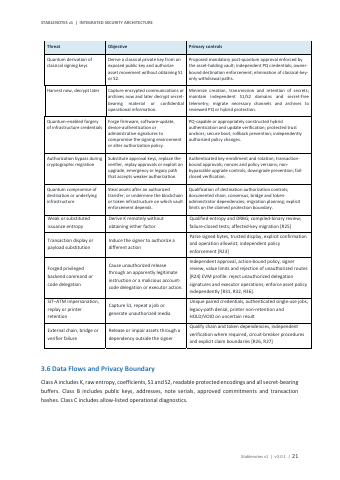 p.21
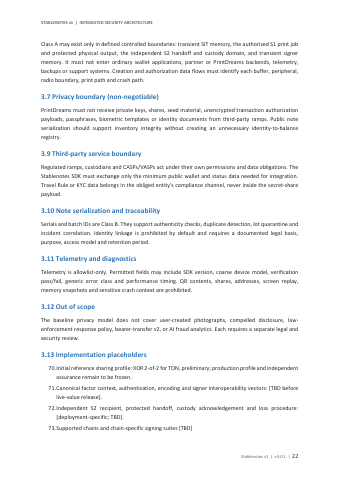 p.22
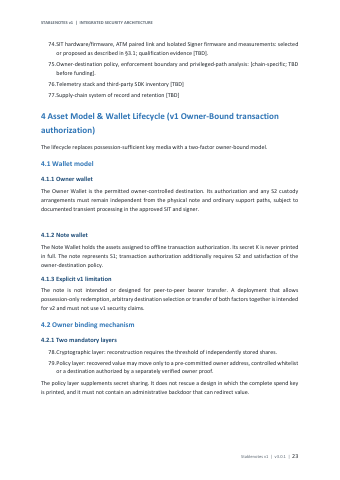 p.23
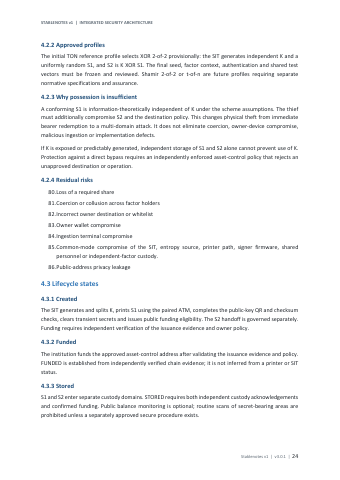 p.24
 p.25
 p.26
 p.27
 p.28
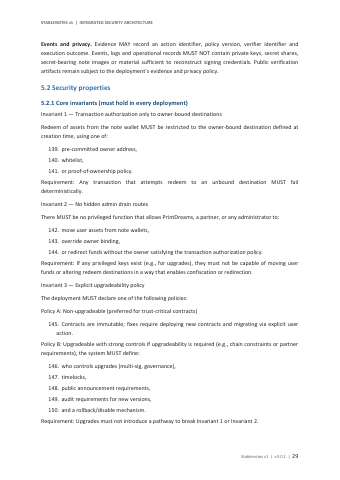 p.29
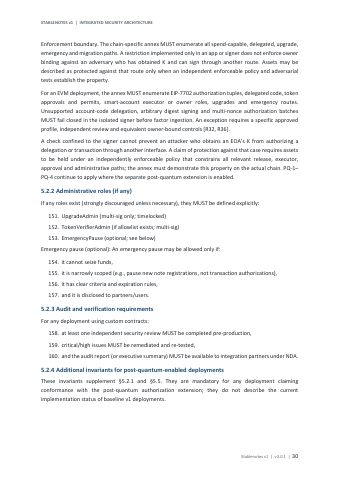 p.30
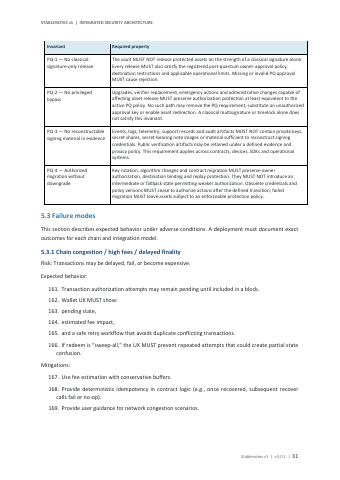 p.31
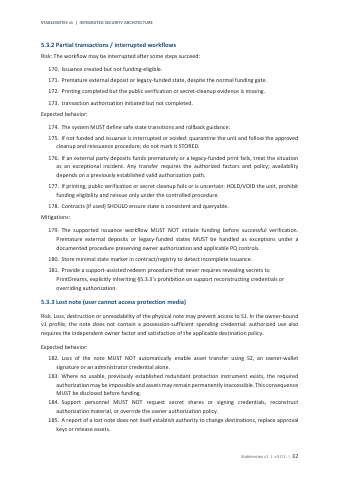 p.32
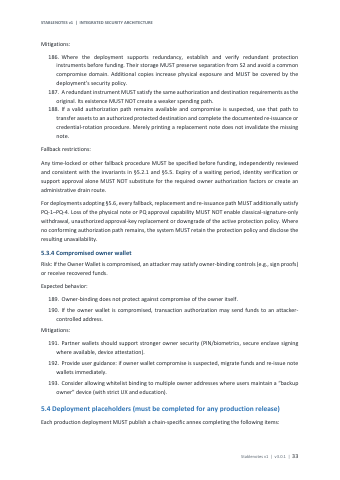 p.33
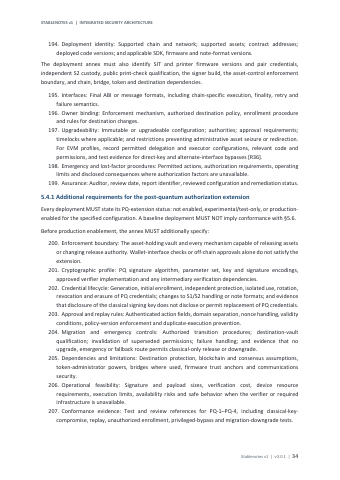 p.34
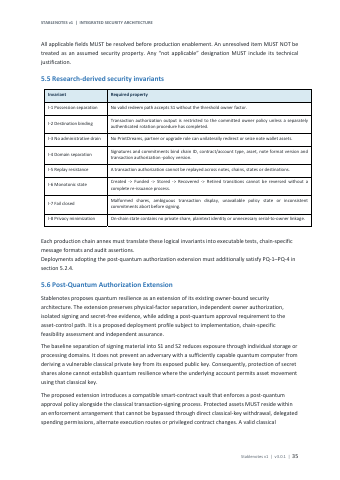 p.35
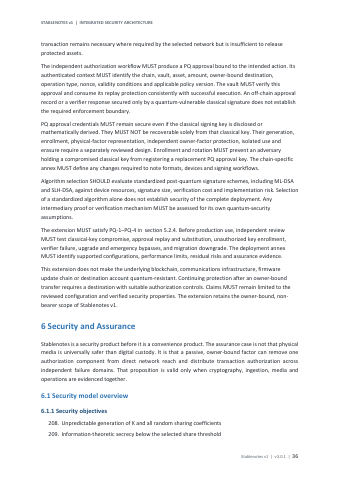 p.36
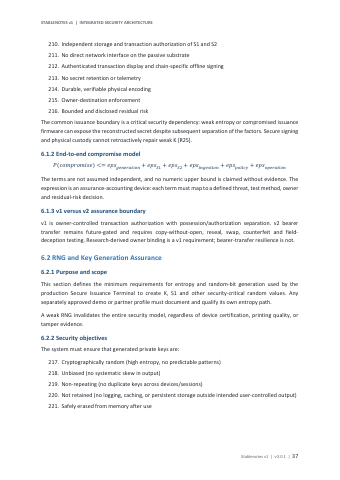 p.37
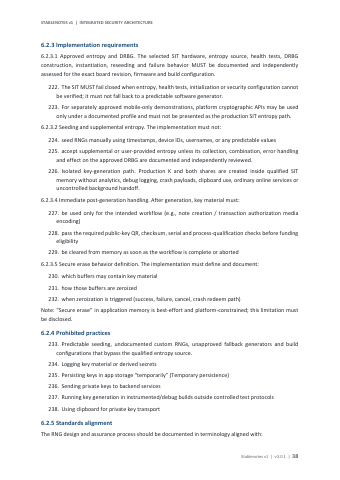 p.38
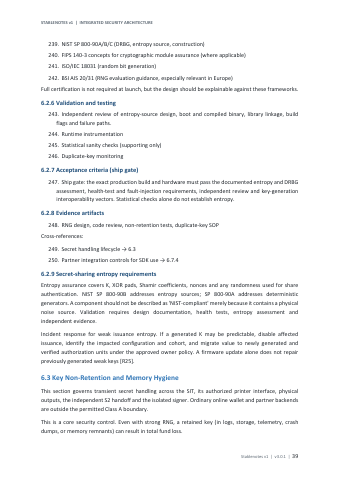 p.39
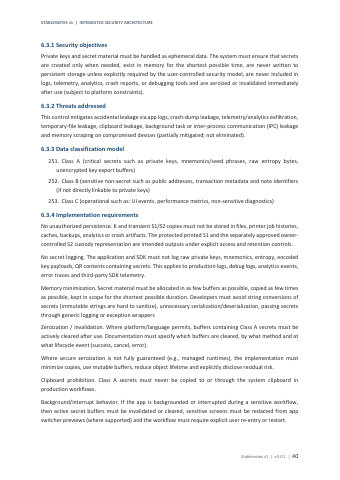 p.40
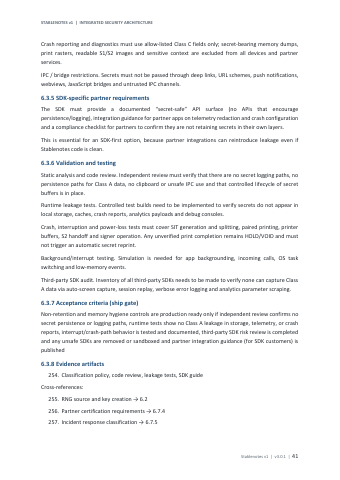 p.41
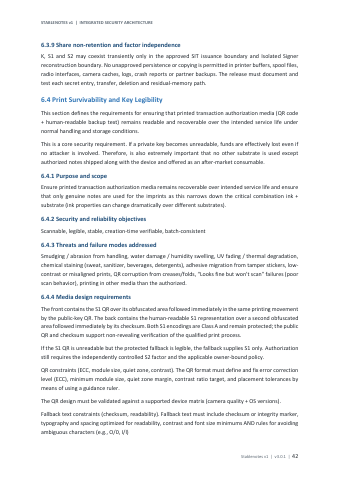 p.42
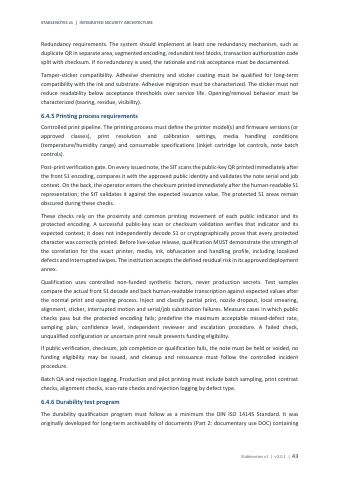 p.43
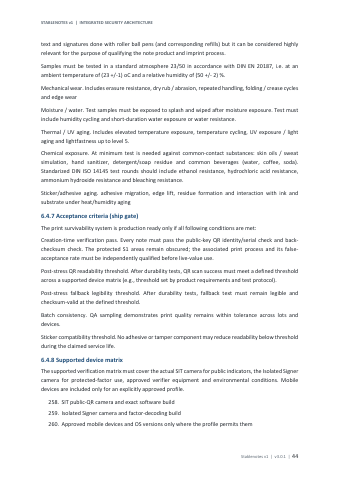 p.44
 p.45
 p.46
 p.47
 p.48
 p.49
 p.50
 p.51
 p.52
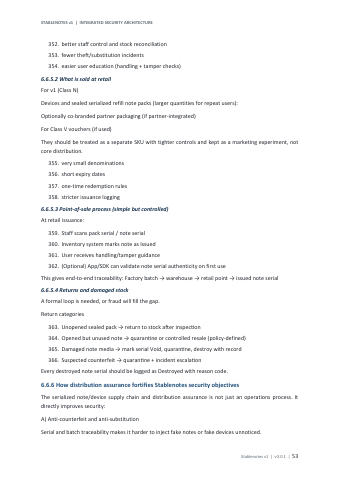 p.53
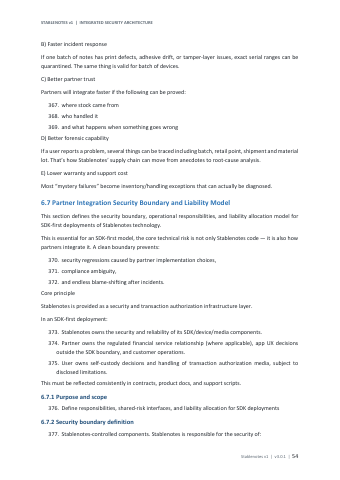 p.54
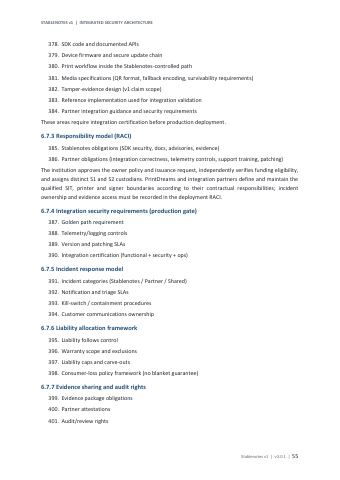 p.55
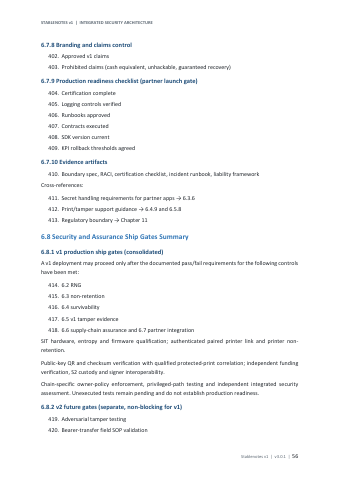 p.56
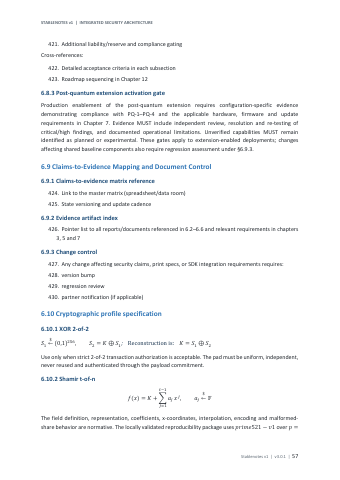 p.57
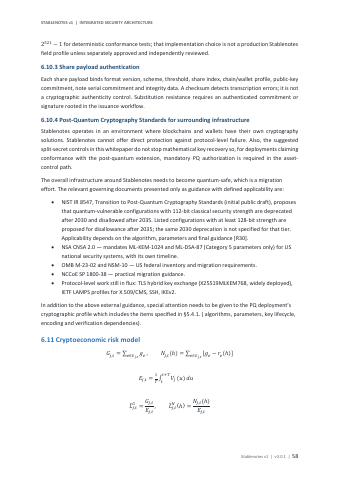 p.58
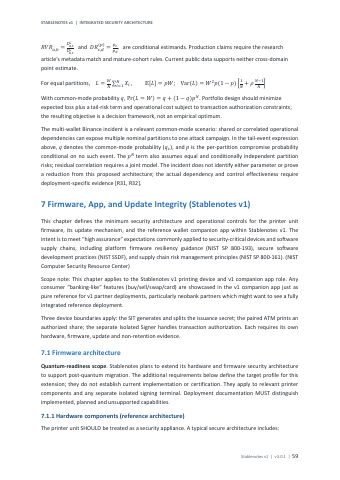 p.59
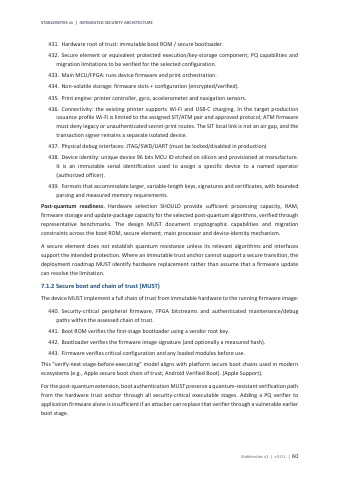 p.60
Topics and entities
Summary and figures generated from the document and checked automatically: every number shown appears on the cited page. Publishers can request removal.