From Algorithmic Opacity to Gender-Responsive Accountability: An Expert-Validated G-XAI Audit Framework for Hiring and Credit Decisions (Acta Innovations)
Summary
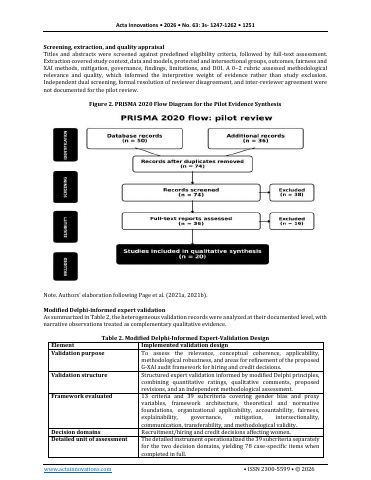
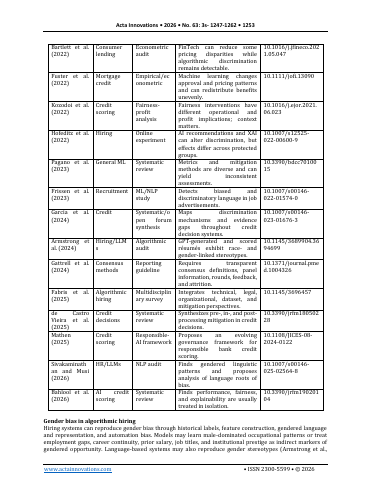
- A pilot PRISMA 2020 evidence synthesis identified 86 records, removed 12 duplicates, screened 74 records, assessed 36 full-text reports, and included 20 DOI-verified peer-reviewed studies.p.1
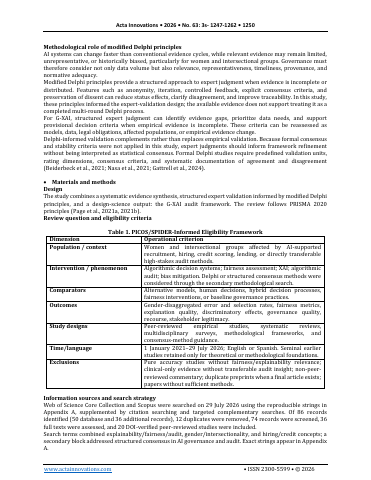
- The literature search covered Web of Science Core Collection and Scopus databases for the period between 1 January 2021–29 July 2026.p.4
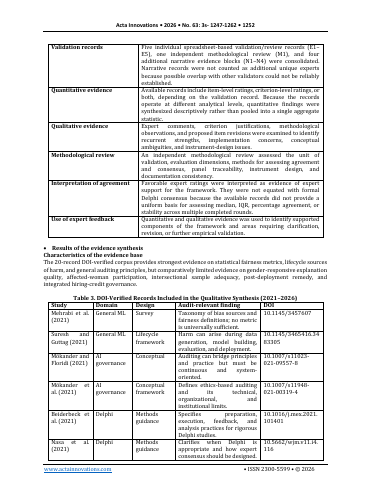
- The evaluation instrument operationalized 13 criteria and 39 subcriteria across hiring and credit domains, yielding 78 case-specific items.p.5
- Validation data was compiled from 5 individual spreadsheet records (E1–E5), 1 independent methodological review (M1), and 4 narrative evidence blocks (N1–N4).p.6
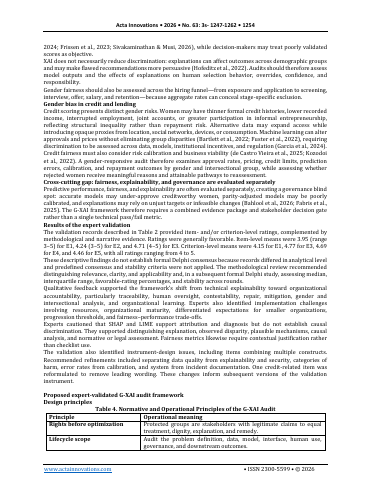
- Item-level expert validation mean ratings ranged from 3.95 for E1 to 4.71 for E3 on a scale of 3 to 5.p.8
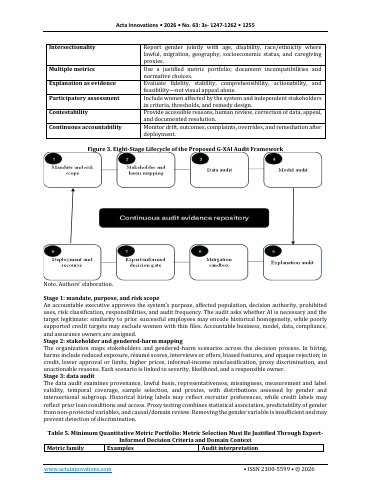
- The framework specifies an eight-stage lifecycle architecture for integrating fairness, explainability, governance, and gender-responsive accountability.p.1
Key insights
- Fairness metrics alone are insufficient to ensure non-discrimination without integrated governance and contextual evaluation.p.1
- Machine-learning harm is a lifecycle phenomenon that can arise during data generation, model building, evaluation, and deployment.p.1
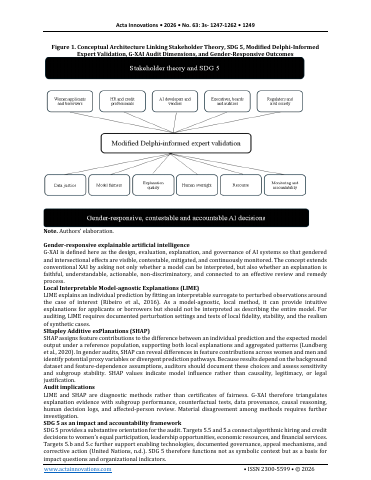
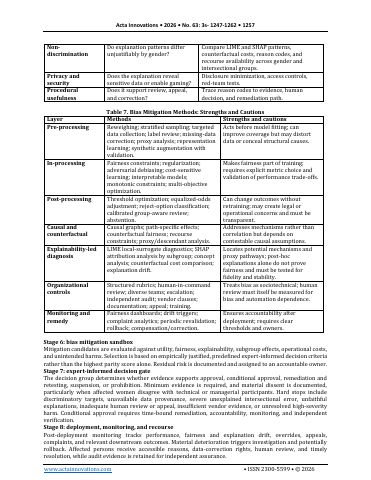
- Local explainability methods such as LIME and SHAP function as diagnostic tools rather than certificates of model fairness.p.3
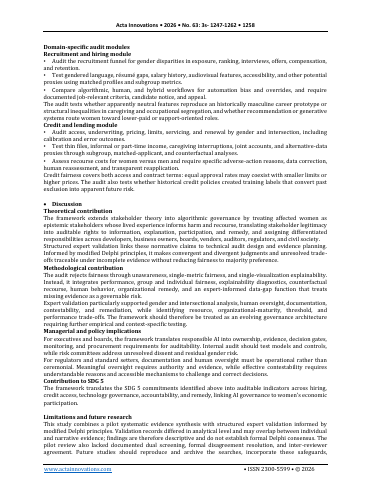
- Machine learning in financial credit scoring can alter approval and pricing patterns while redistributing benefits unevenly across demographic groups.p.7
- Explainable AI does not automatically eliminate bias and may increase human confidence in flawed algorithmic recommendations.p.8
- Evaluating predictive performance, fairness, and explainability in isolation creates a governance blind spot in AI auditing.p.8
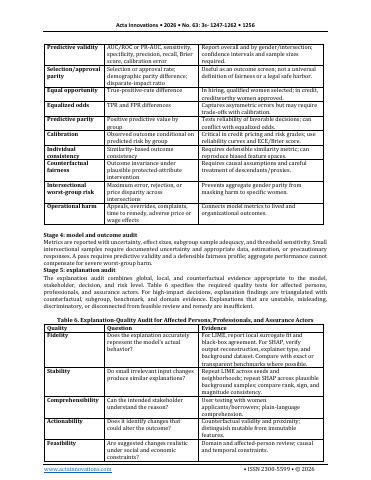
- Removing explicitly protected gender variables is insufficient to prevent bias because models can learn proxies from correlated features.p.9
- Effective human oversight requires decision-makers to possess sufficient authority, time, competence, and evidence to challenge algorithmic recommendations.p.15
Pages
 p.1
 p.2
 p.3
 p.4
 p.5
 p.6
 p.7
 p.8
 p.9
 p.10
 p.11
 p.12
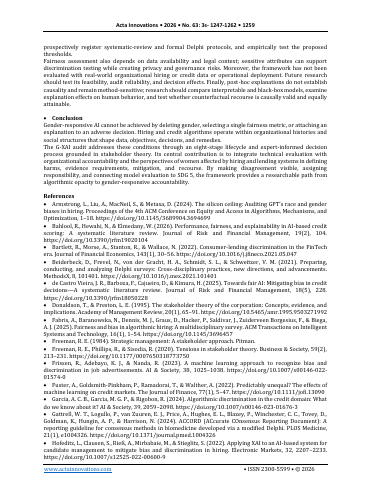 p.13
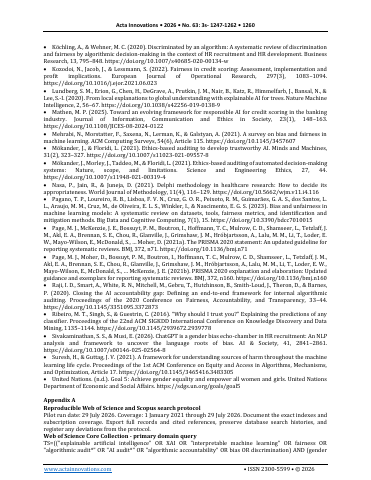 p.14
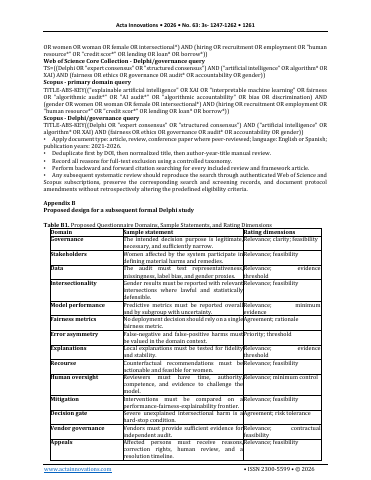 p.15
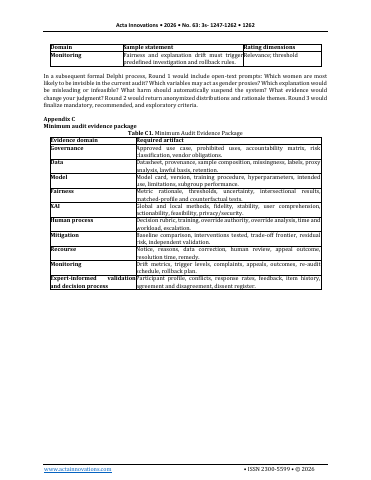 p.16
Topics and entities
Summary and figures generated from the document and checked automatically: every number shown appears on the cited page. Publishers can request removal.