Productive Finance for the Belt and Road Initiative: Reexamining China’s Debt Sustainability Framework (OpenAlex (recherche mondiale))
Summary
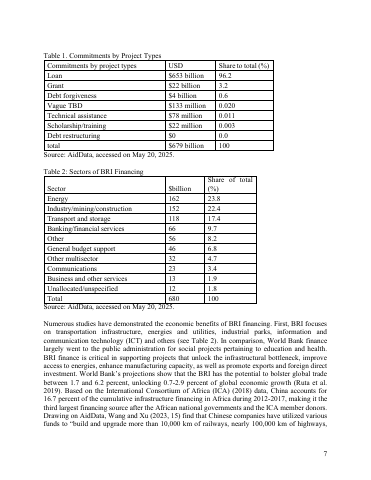
- China committed over $1.3 trillion in development finance to the Global South between 2000 and 2021.p.2
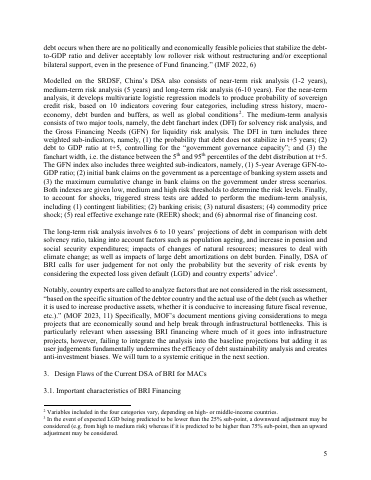
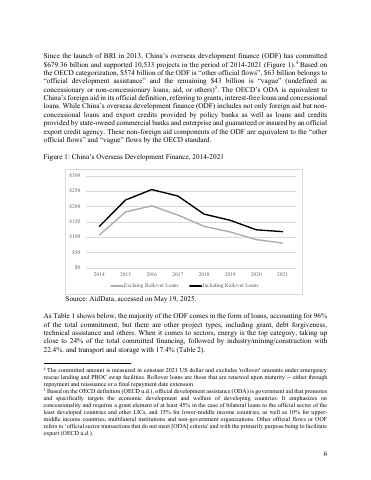
- From 2008-2024, Chinese development finance institutions committed $472 billion in public and publicly-guaranteed finance across 1,304 loans and credit lines over $25 million in size.p.2
- Chinese development banks face an outstanding debt balance estimated at $1.1 trillion alongside elevated repayment risks.p.2
- China accounts for 2.2% of long-term PPG debt stock of low- and middle-income countries as of 2023, while MDBs account for 27% and private bondholders 58%.p.3
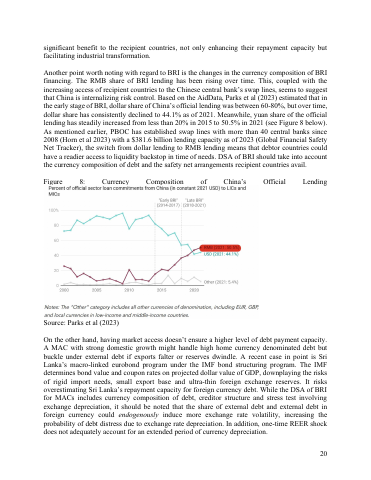
- The yuan share of China's official lending increased steadily from less than 20% in 2015 to 50.5% in 2021.p.21
Key insights
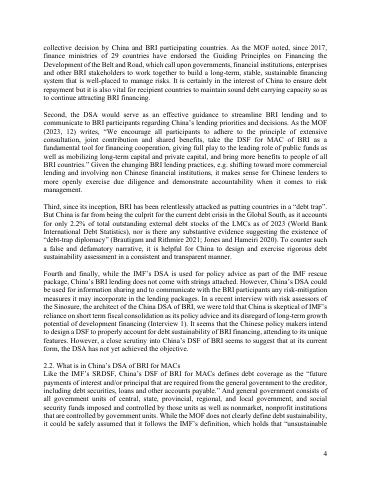
- China's Ministry of Finance developed dedicated Debt Sustainability Frameworks for BRI low-income countries in 2019 and market access countries in 2023.p.4
- The existing Debt Sustainability Framework focuses almost exclusively on debt liabilities while failing to evaluate the asset side of recipient countries' public sector balance sheets.p.11
- Static output elasticity projections derived from historical empirical data fail to capture the ex-ante growth-enhancing impacts of productive infrastructure projects.p.14
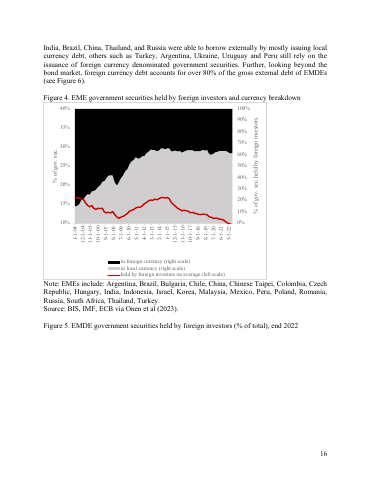
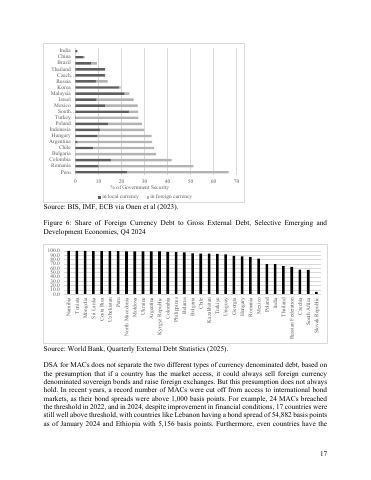
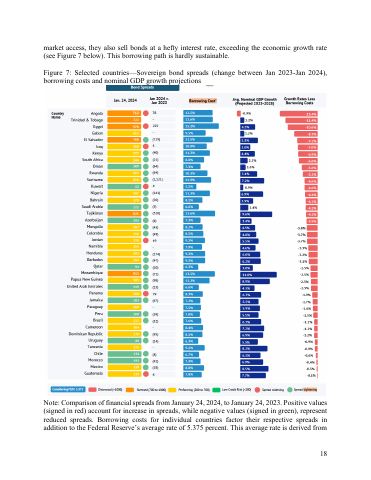
- Failing to separate domestic-currency public debt from foreign-currency debt obscures distinct risk drivers and foreign exchange earning requirements.p.16
- The People's Bank of China established bilateral currency swap lines with over 40 central banks, providing $381.6 billion in lending capacity as of 2023.p.10
Pages
 p.1
 p.2
 p.3
 p.4
 p.5
 p.6
 p.7
 p.8
 p.9
 p.10
 p.11
 p.12
 p.13
 p.14
 p.15
 p.16
 p.17
 p.18
 p.19
 p.20
 p.21
 p.22
 p.23
 p.24
 p.25
 p.26
 p.27
 p.28
 p.29
Topics and entities
Summary and figures generated from the document and checked automatically: every number shown appears on the cited page. Publishers can request removal.