Financial and Technological Challenges in Sustainable Energy Infrastructure (Frontora)
Summary
- Clean-energy investment needs are predicted to rise by around 40% by 2030 from current levels.p.1
- A review of literature synthesizes sustainable energy issues across 5 main topics including financing barriers, storage, and digitalization.p.2
- Solar energy generates power during daytime while peak demand remains high during the night, emphasizing the requirement for storage flexibility.p.3
- Cyberattacks against the energy sector saw an increase of over 50% in 2022 compared with 2020.p.4
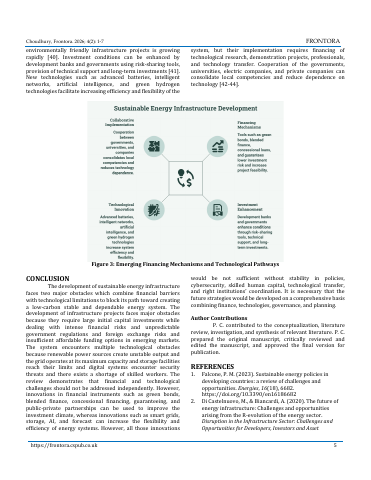
- Emerging financing tools like green bonds, blended finance, concessional loans, and guarantees are used to lower project investment risk.p.4
- Advanced technologies including artificial intelligence, advanced batteries, and smart grids help increase energy system efficiency.p.5
Key insights
- Financial constraints remain a primary hurdle, with clean-energy investment needs expected to grow by around 40% by 2030 from current levels.p.1
- High-interest rates and capital scarcity deter investors, particularly in developing countries with elevated political and currency risks.p.2
- Synchronization between renewable generation capacity and grid infrastructure investments is necessary to avoid curtailment and congestion.p.3
- Implementation of battery storage solutions is constrained by high capital prices, battery degradation, thermal management, and raw material availability.p.4
- Energy sector cyberattacks grew by over 50% in 2022 compared with 2020, highlighting vulnerabilities in interconnected digitalized energy systems.p.4
- Deploying artificial intelligence and machine learning enhances energy demand forecasting, predictive maintenance, and renewable output estimation.p.4
- Public capital paired with risk-sharing tools like blended finance and green bonds is vital for crowding in private investments.p.5
Pages
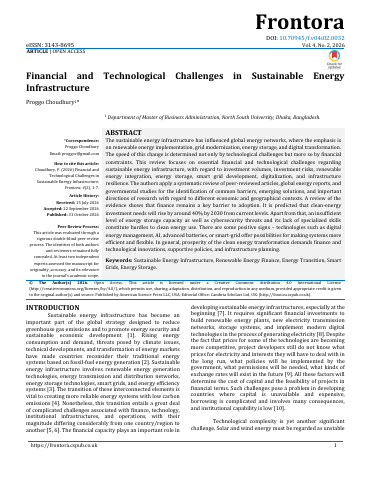 p.1
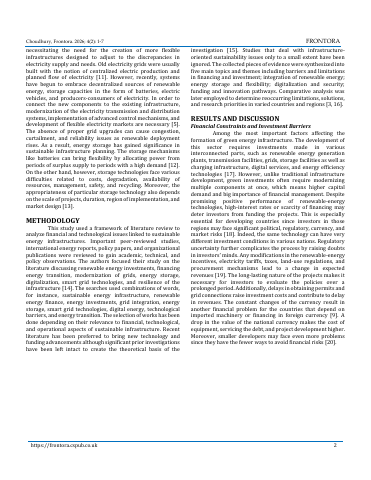 p.2
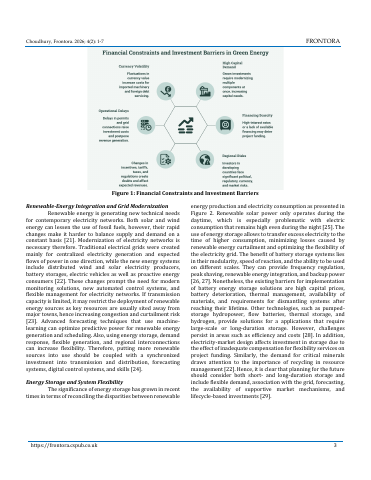 p.3
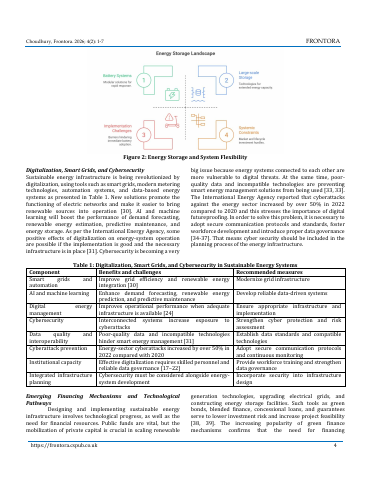 p.4
 p.5
 p.6
 p.7
Topics and entities
Summary and figures generated from the document and checked automatically: every number shown appears on the cited page. Publishers can request removal.