Global Family Office Report 2026
The report presents findings from 307 family offices across more than 30 markets worldwide, with an average net worth of USD 2.7 billion.
203 documents
The report presents findings from 307 family offices across more than 30 markets worldwide, with an average net worth of USD 2.7 billion.
If digital currencies continue to gain traction, up to $13 trillion in transaction value could shift to alternative payment methods by 2030, putting an estimated $13 billion in payment fees at risk.
The FCA sets out rules and guidance under PRM 1.4.3 to 1.4.13 regarding exemptions from producing a prospectus when admitting securities to trading on a regulated market.
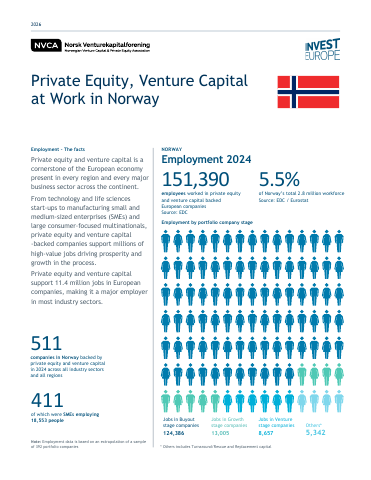
Private equity and venture capital backed companies employed 151,390 people in Norway in 2024.
The Financial Conduct Authority spent £14m on its InvestSmart campaign to promote positive investing principles.
Infrastructure funds raised €265bn in Europe from 2020 to H1 2025, with €41bn raised in H1 2025 alone.
In 2024, the Swiss financial sector directly generated a gross value added of CHF 73.2 Mrd. and supported 245’800 jobs (FTE).
Over 1 billion people currently live in Fragile and Conflict-Affected States, where payment ecosystem disruptions present severe risks to economic stability.
Over 90 percent of surveyed central banks are engaged in some form of CBDC work, with more than half involved in experiments or pilot projects.
The note categorizes single-ledger arrangements into 4 operating models: integration, distribution, separation, and permissionless.
Preliminary fundraising figures for Europe in H1 2025 reached €54bn, representing a 19% decline from H1 2024.
In a 2023 BIS survey, almost all surveyed central banks reported considering offline CBDC payments to be vital or advantageous.
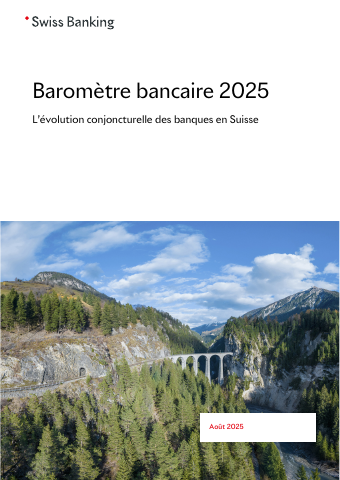
In 2024, Swiss real gross domestic product (GDP) growth slowed to 1,0 %, while the State Secretariat for Economic Affairs (SECO) forecasts a slight recovery to 1,3 % for 2025.
Only 24% of surveyed banks report being highly successful in achieving their cost reduction goals.
The total number of financing rounds fell by 10.1% year-on-year to 124 rounds.
Unified Payments Interface (UPI) processes more than 18 billion transactions per month in India.
More than 93 percent of the material requirement for the Swiss economy originates from primary materials rather than recycled sources.
As of late 2023, 94 percent of 86 surveyed central banks were actively exploring CBDCs, moving from research to experiments.
The Boston Consulting Group estimates that asset tokenization could reach $16 trillion or 10 percent of global GDP by 2030.
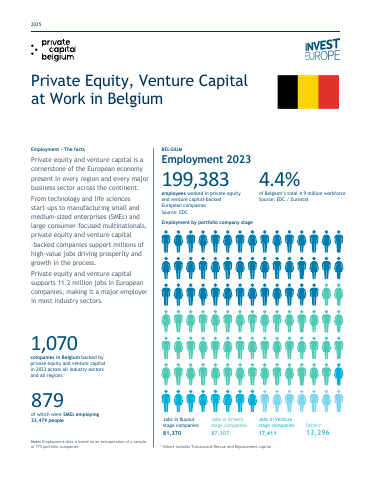
Private equity and venture capital-backed companies employed 199,383 people in Belgium in 2023.
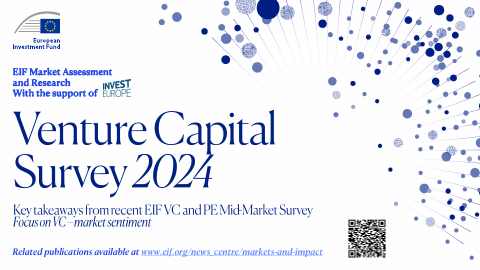
A total of 1,201 VC and PE mid-market fund managers contributed their insights to the annual EIF Equity Survey 2025.
Total fundraising in Europe reached its second-highest year ever at €147bn during 2025, representing a 16% increase from the previous year.
Swiss VC funds allocate an average of 30% of invested capital and 50% of their total number of investments to Swiss start-ups.
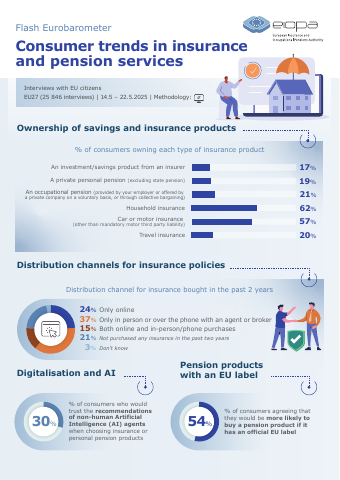
Household insurance is the most widely owned policy type at 62%, followed by motor insurance at 57% and occupational pensions at 21%.
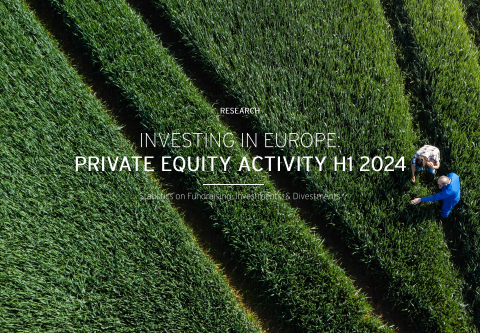
Preliminary European private equity fundraising reached €58.5bn in H1 2024, a 16% increase compared to H1 2023 figures.
The exit environment was identified by 21% of respondents as the single most critical challenge facing their venture capital business in 2024.
In Nigeria, 98.5 percent of eNaira wallets remained unused one year after launch.
Over 100 central banks around the globe are exploring central bank digital currencies to modernize payment systems.
Biotech attracted the highest amount of capital among all sectors at CHF 405.3 million, representing a 44% increase in invested capital.
Total incremental fundraising in Central and Eastern Europe (CEE) was €818 million in 2023, a 53% decrease from 2022.